


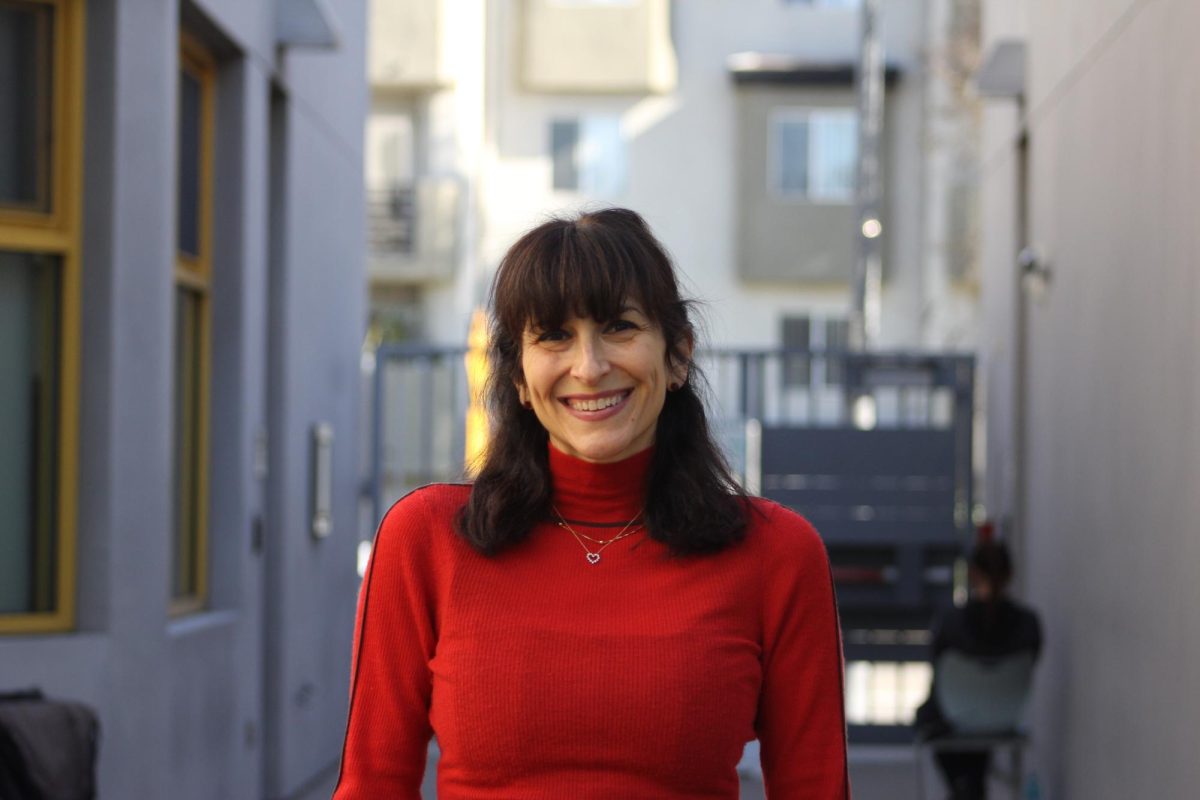








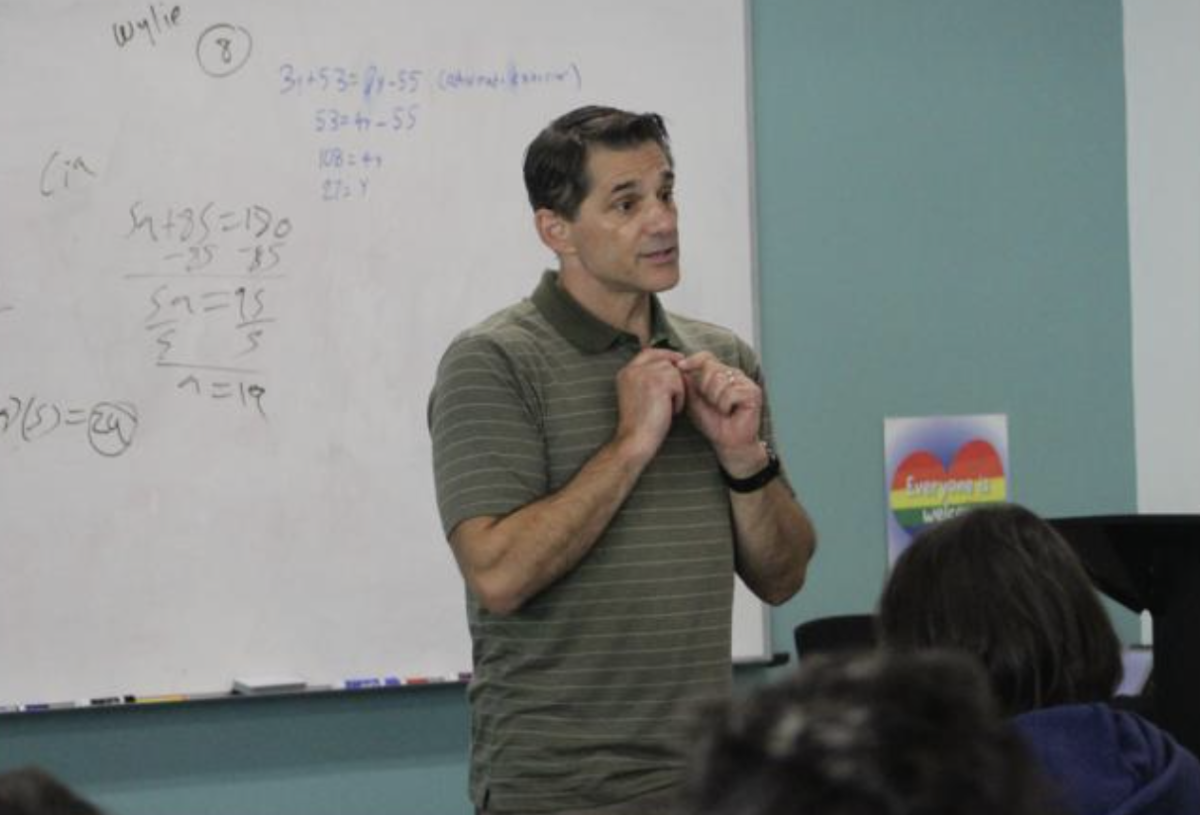
After serving as a combat engineer in the U.S. Army, calculating demolitions and leading convoys under pressure, high school geometry and AP Macroeconomics teacher Kevin Kelley now brings that same calm precision into his classrooms. In doing so, he creates an environment that allows his students to flourish and thrive both as students and as people.
Kelley joined the Army right after college and was commissioned as an officer in May 1989. He decided to join the Army because his father was a former soldier and because of his extreme passion for service. Kelley is a firm believer in giving back to his community, which he sees as central to his passion for teaching.
“I would argue that teaching is a service,” Kelley said. “Your effort is be-ing multiplied into many more peo-ple than just yourself or one other person. Teaching does that because as we teach, you guys spread out [that information] into the world, and multiply that message.”
Kelley served as a combat engineer, responsible for calculating demolitions and analyzing convoy routes. This work not only required tech-nical precision but also the ability to stay calm under pressure. He believes that his combat experience has taught him to remain calm in stress-ful situations, as very few things make him anxious.
“[My experience in combat] allows me to take every day a little more relaxing, using a positive mood, be-cause I’ve learned that I can handle any situation, and so I’m not ever concerned or stressed or worried,” Kelley said. “I think that creates a little bit of space for my classroom to be a stress-free environment.”
Eli Rebhun ’26, one of Kelley’s AP Macroeconomics students, believes Kelley wants him to learn, as he always appears enthusiastic about what he is teaching. He also notices that, among his classes, Kelley’s classroom feels the calmest, which he considers essential in his ability to work effectively and without dis-traction. For Rebhun, the class has become something to look forward to everyday.
“Mr. Kelley’s classroom brings me a sense of calmness,” Rebhun said. “It brings me a space on top of all my stressful classes, where I can just go to and relax, do something that I want and learn about something that I want to learn about because the teacher is motivated.”
For Rebhun, Kelley has become a mentor and support system. He ad-mires Kelley’s willingness to go above and beyond for his students, ensur-ing they feel confident in their work and supported if they are facing any challenges.
“He’s almost like a father figure to me,” Rebhun said. “I went to him [because] precalculus was killing me. But when we sat down, the thing about Mr. Kelley is that he wants to form a relationship with [his students]. Immediately, I was happy and excited to learn.”
That sense of connection reflects Kelley’s philosophy that teaching, like the military, is truly about service and leadership. His time as an Army officer taught him the importance of putting others before himself, a lesson he applied in parenting or teaching.
“As an officer, you’re in charge of the lives of 30 people,” Kelley said. “You start to put yourself second. I think that’s beneficial when you’re a teacher and a parent. You have to hold high standards, but you mentor so that your students rise to those expectations.”