
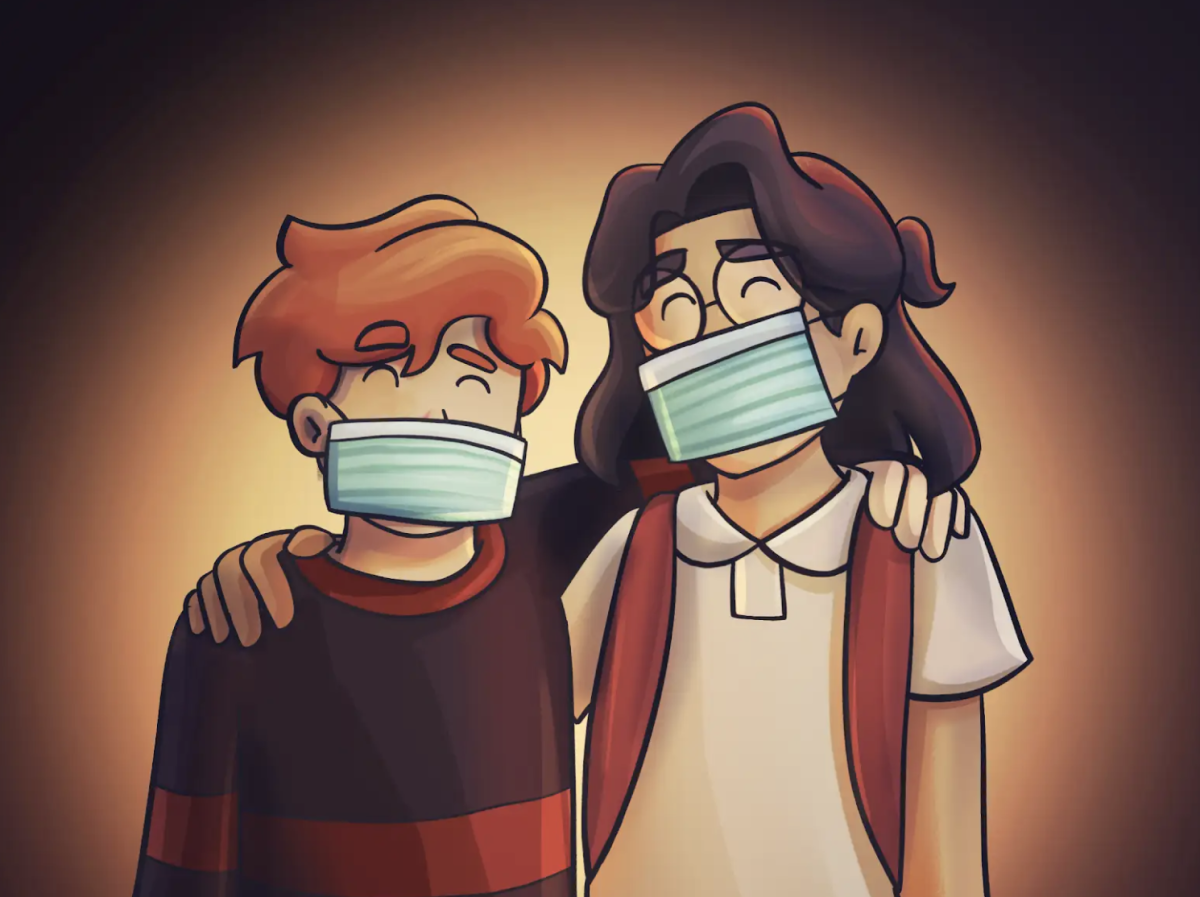









Locked inside. Unable to socialize. Worldwide pandemic. For students who spent formative years in isolation, the effects of COVID-19 did not end when schools reopened. Five years later, students are unable to escape its impact as the pandemic continues to shape how they connect, socialize and live their lives.
While COVID-19 impacted nearly every aspect of normalcy, the pandemic’s long-term effects have remained most prominent in students’ social development. With difficulty reconnecting with peers and shifts in how students form relationships, the pandemic left visible marks that vary depending on when students experienced it in their adolescence.
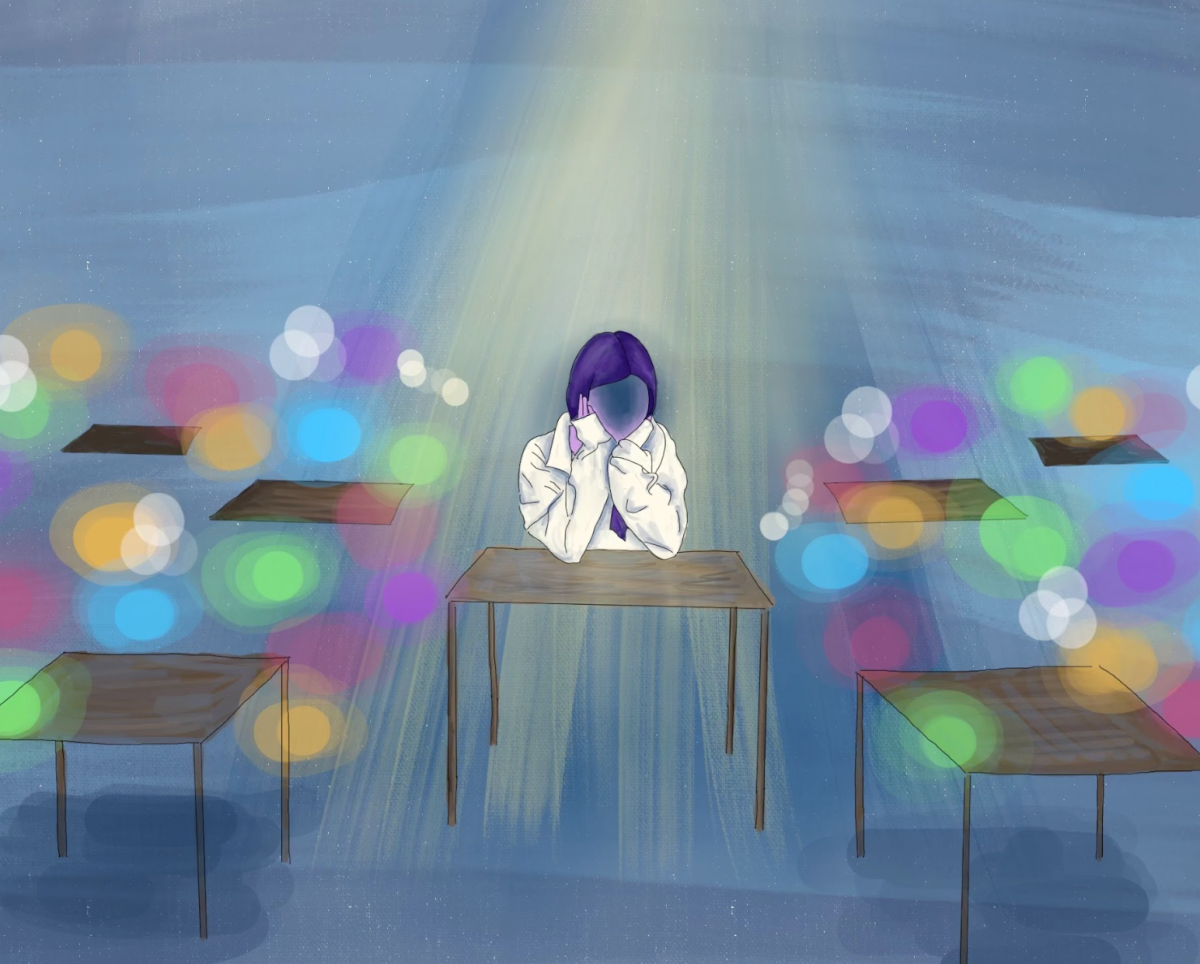
For students like Riley Postelle ‘27, who spent her developmental years in isolation, the pandemic impacted her ability to connect with others. Having been in fifth grade when COVID-19 began taking control, Postelle found the effects especially prevalent in her social life, as she missed out on crucial years of in person interactions with students her own age. Even now, she notices how those years continue to affect her ability to socialize.
“I got so comfortable being inside to the point where now, it’s harder to socialize because I was stuck inside for so long,” Postelle said. “I really notice the effects COVID had on me both socially and mentally, because so many people around me were getting sick and dying, so all I was thinking was that ‘this can really happen to anybody’. It was so scary because you take your life for granted, and so it made me want to take more advantage of my life, but that was impossible to do because I was locked inside.”
As students’ lives have progressed since the peak of the pandemic, some have begun to notice signs of social recovery. Josh Nasseri ‘26, who was quarantined during sixth grade, recognizes how social behavior among his friends has slowly shifted since the pandemic.
“I feel like without COVID, relationships would have been different,” Nasseri said. “I personally have noticed how the social effects of COVID, especially meeting new people, have lingered until just last year. People seemed less outgoing for the past few years, but now I feel like people are starting to become more outgoing again. I have also noticed that people are starting to go out more, including myself.”
According to an April 2024 systematic review in the National Library of Medicine, developing adolescents who lived within the pandemic were more likely to report lasting struggles with social interactions even after schools reopened. Researchers found a consistent increase in loneliness among developing teens during lockdown, as well as lasting changes in social behavior and interactions.
However, not all grades were impacted in the same way. The stage of development students were in when COVID-19 occurred played a significant role in how severely it affected them. Campbell Hall alumna Georgia Brown ‘23 believes her grade was not as negatively impacted by the pandemic, as she was already in high school, so she feels her grade had already built strong connections and a tight-knit bond before quarantining began.
“I found our grade did really well because we had already spent middle school together as a grade, so we had those two years to really bond and get close. So when we came back after the pandemic, we were so excited to be together. Basic things like throwing parties were really fun, and we had a larger sense of gratitude to be with each other in person. A sense of normalcy became something to be grateful for, and it created long-lasting relationships.”