














Over 40 million Americans had their Supplemental Nutrition Assistance Program (SNAP) benefits cut on Nov. 1, 2025, leaving them without a stable source of food. According to Eric Adelson’s November 2025 New York Times article, the United States Department of Agriculture (USDA) announced the partial suspension of SNAP benefits. Following the signing of the One Big Beautiful Bill Act (OBBBA) in July of last year, the Trump administration announced that legislation would reduce SNAP funding by $186 billion.
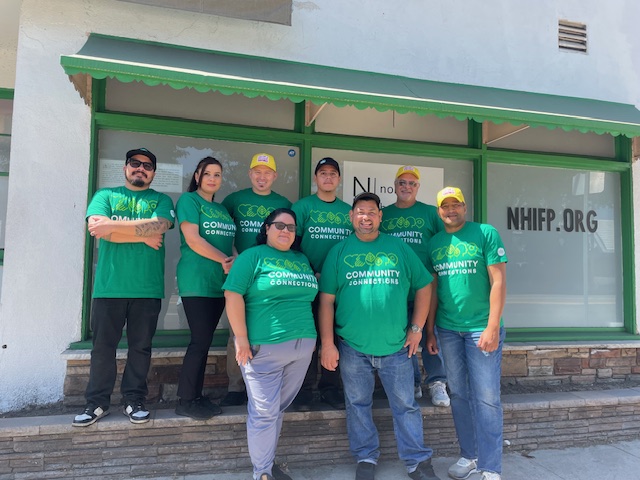
Dr. Louise Sloan Goben, Chair of the Board of Directors at the North Hollywood Interfaith Food Pantry (NHIFP), acknowledged that their organization predicted the removal of SNAP after the H.R.1 bill—a budget bill including tax cuts, healthcare changes, and increased border security funding—was released last year in July. Goben and the NHIFP began preparing for the removal in the summer, and their predictions proved prophetic.
“Prior to the actual shutdown on November 1, when the first SNAP benefits were cut, we already knew that SNAP benefits were not going to be covered after October 23,” Goben said. “And sure enough, the next day, we had an increase in the number of people who were coming. After November 1, when others were impacted, we saw a dramatic increase in the number of people who were coming to the food pantry.”
Defining Wellness as a Basic Right
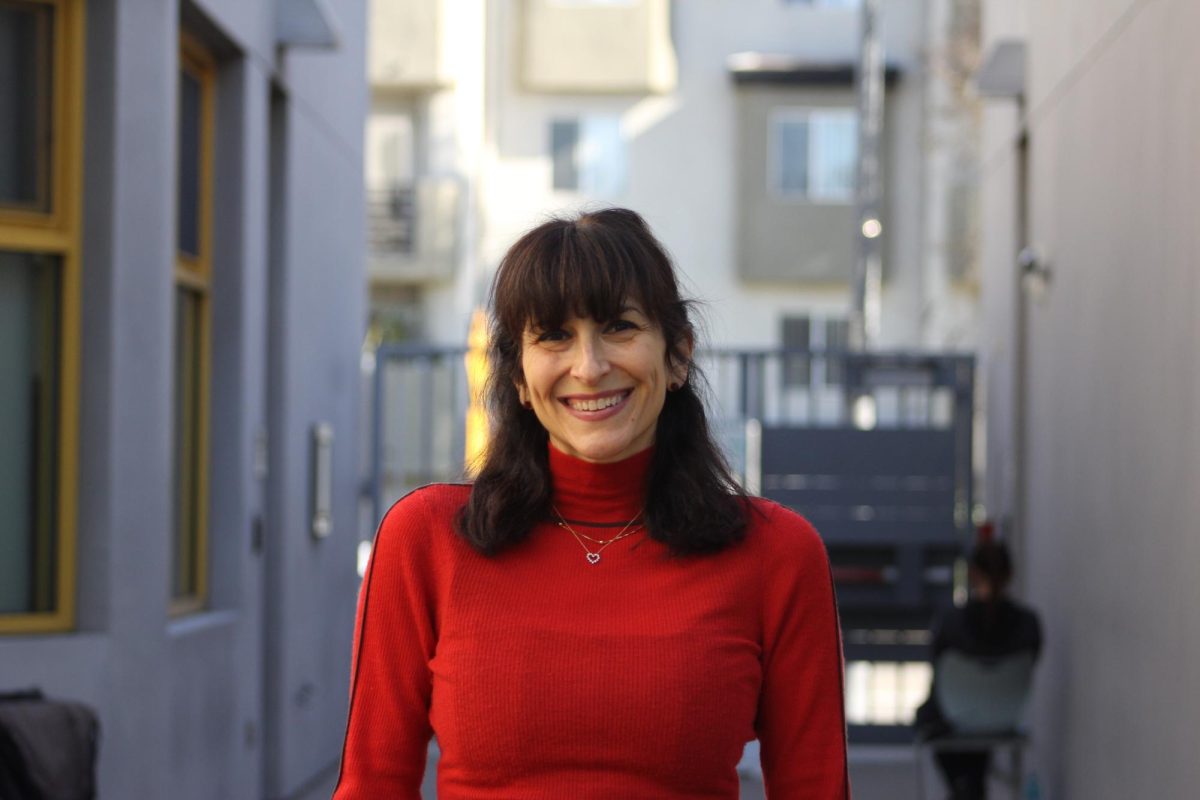
After SNAP benefits were suspended, Hannah Wenzel, high school community service director, felt deeply disappointed. She believes that when people are in a constant state of stress, it is impossible to thrive and that food is one of the many necessities of life. Moreover, having worked in the wellness industry teaching yoga for over a decade, Wenzel has a definitive definition of wellness: feeling safe and having access to basic needs.
“On a foundational level, for anybody to feel okay, they need to first feel safe,” Wenzel said. “And for anybody to feel physically and bodily safe, there are certain needs, and they’re not negotiable. Everybody needs a safe shelter. Everybody needs to rest. Everybody needs food. Everybody needs water to drink—clean, drinkable water. Everybody needs clean air to breathe. These are non-negotiable aspects of being alive.”
The Surge in Demand
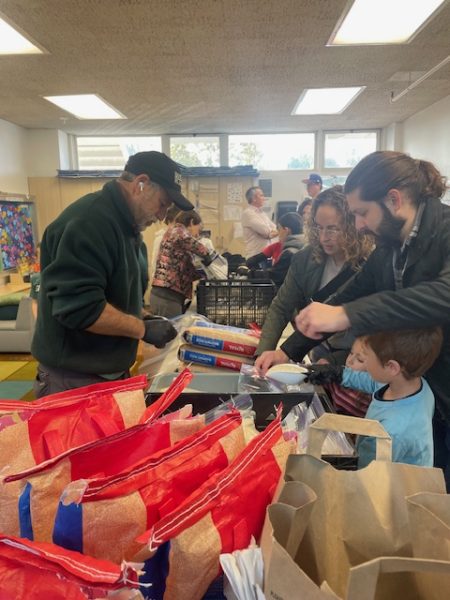
After Nov. 1, 2025, the NHIFPhas experienced a dramatic increase in the number of people needing assistance. Goben noticed the first communities to reach out to the organization were families and senior citizens. Despite the influx of people coming to the NHIFP, they have simultaneously been receiving an influx of food donations and acknowledge the importance of service.
“We have, over the last year, already been giving out 26 percent more food than the year before,” Goben said. “After the SNAP benefits were cut, that went up an additional 33 percent. We were doing approximately 200 bags of food a year and a half ago each time we distributed food, and now we have been doing 360 each time that we’re open. That’s in excess of [720] bags of food a week, which is twice what we were doing during the pandemic.”
The Power of Student Service
Sharing Wenzel’s belief that people cannot function without basic needs, Eva Sonbolian, 26, leader of the club on homelessness, volunteers at the NHIFP weekly. After participating in her club and the NHIFP, Sonbolian has found that she can make a difference, both in and outside of school, in helping the food-insecure. She feels that her service in providing awareness and assistance to those in need relieves one of many stressors that obstruct people from thriving. In participating, it helps break a cycle that, she believes, perpetuates the hunger cycle in America.
“We package up and give out bags of groceries that our clients rely on to help them survive,” Sonbolian said. “The food pantry helps me survive, too, feeding me with a sense of purpose and belonging that has made me who I am, which is why I keep coming back. Being able to find a community and a passion within a place where you see improvements being needed is a really powerful driving force in encouraging people to make change, and remembering that in trying to make a difference, you don’t have to do it alone.”
A Call for Empathy and Awareness
After overseeing Campbell Hall’s community service for nine years, Wenzel affirms that students need to increase both their participation in service, such as the Meet Each With Dignity (MEND) Food Drive, and also their awareness and empathy. Without raising awareness of a dire situation, such as the removal of SNAP benefits, she believes that people will not know how to help. Thus, Wenzel encourages students to view crises through the lens of individual stories so that people build empathy.
“For years, we’ve done the MEND Food Drive, and there isn’t much engagement,” Wenzel said. “Even if everyone brings cans, it’s a tiny drop compared to what food banks need. The point is awareness, but I don’t think most people really pay attention when it doesn’t affect them personally. Campbell Hall cannot solve it alone. We need to understand the human stories, the how and why, and what could be done. Education is hard to do solely through chapel or community service; we need sustained interest and follow-through.”