






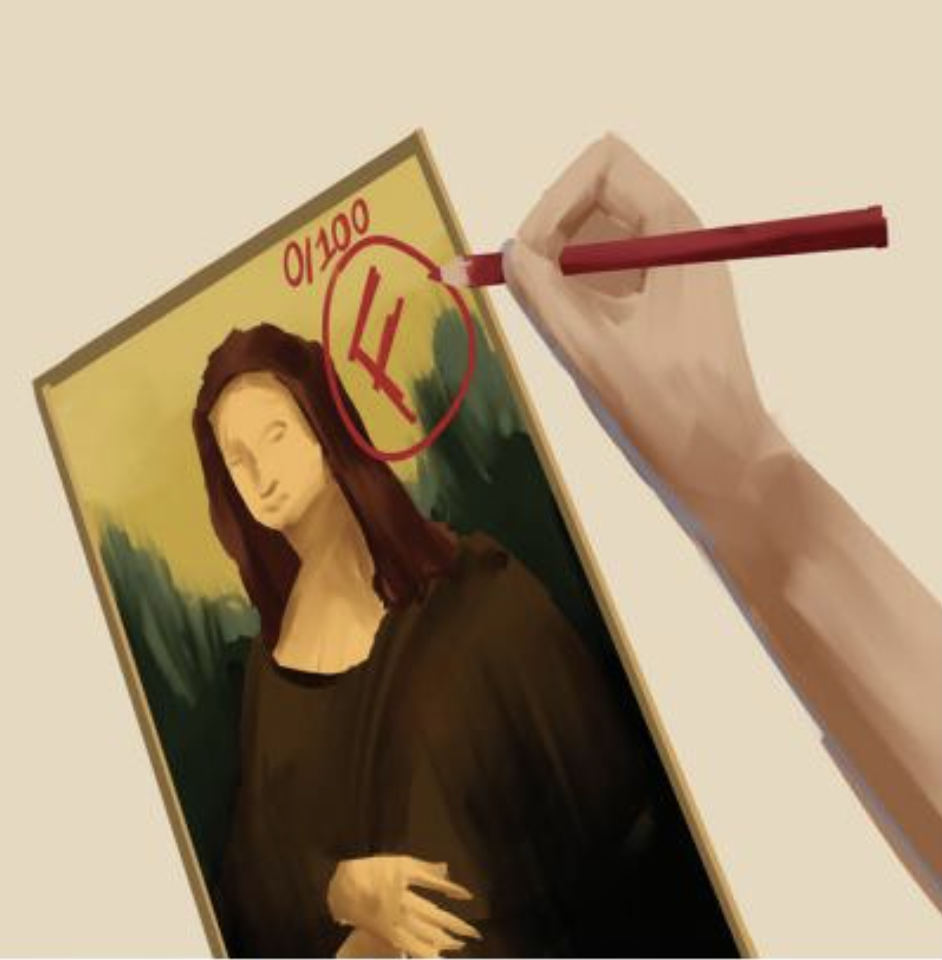





As Lucy Tremaine ’28 submits the painting As begins to wonder, how will my art be graded? Around her, classmates add the finishing touches to their paintings; each one is unique in style, skill level and story. In art classes, where creativity has the stage, many students wonder whether teachers are grading their art on process, outcome or skill.
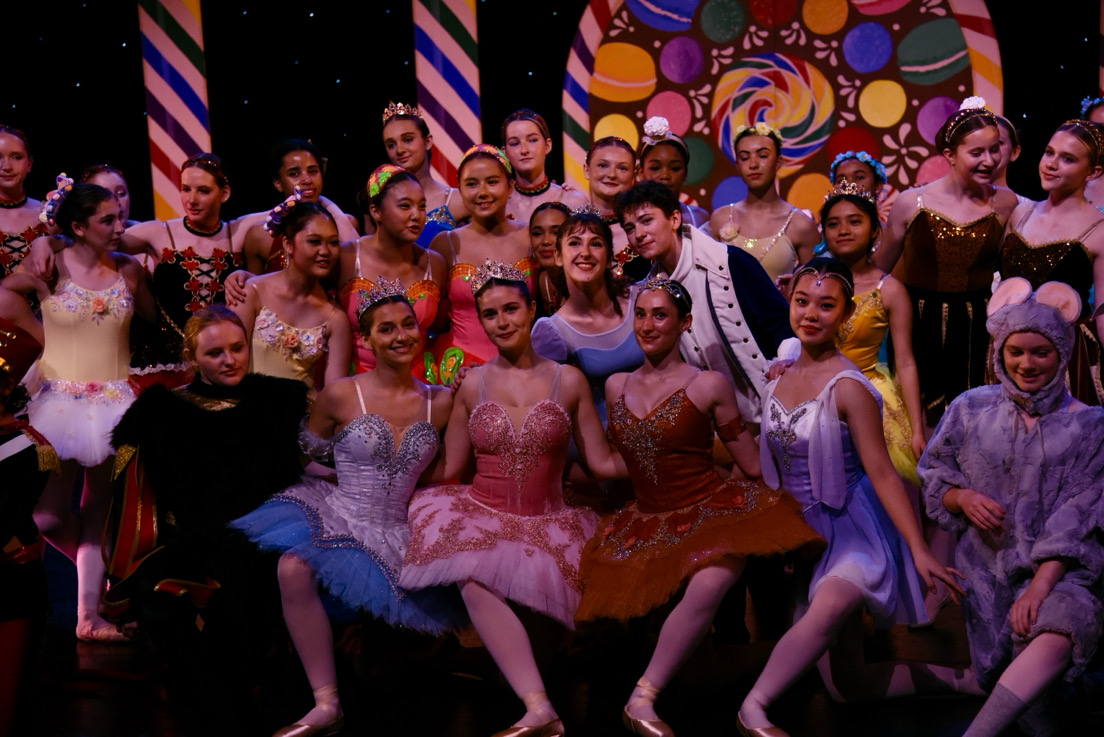
High school and middle school dance teacher Rachel Turner has developed a way to grade students’ performances that she believes is thorough and fair. Process is at the heart of her grading philosophy. Instead of grading the final product, Turner focuses on the choreography process itself. She’s found that her students care deeply about the dances they make, so she grades based on staying on schedule, time management and focus rather than judging solely on the outcome of the finished piece itself.
“The way that I try to grade in all my classes is on the process rather than the product of it,” Turner said. “I usually find that my dancers care about making good dances, and so, in terms of the creative side of it, a grade is just something that adds stress rather than motivates them.”
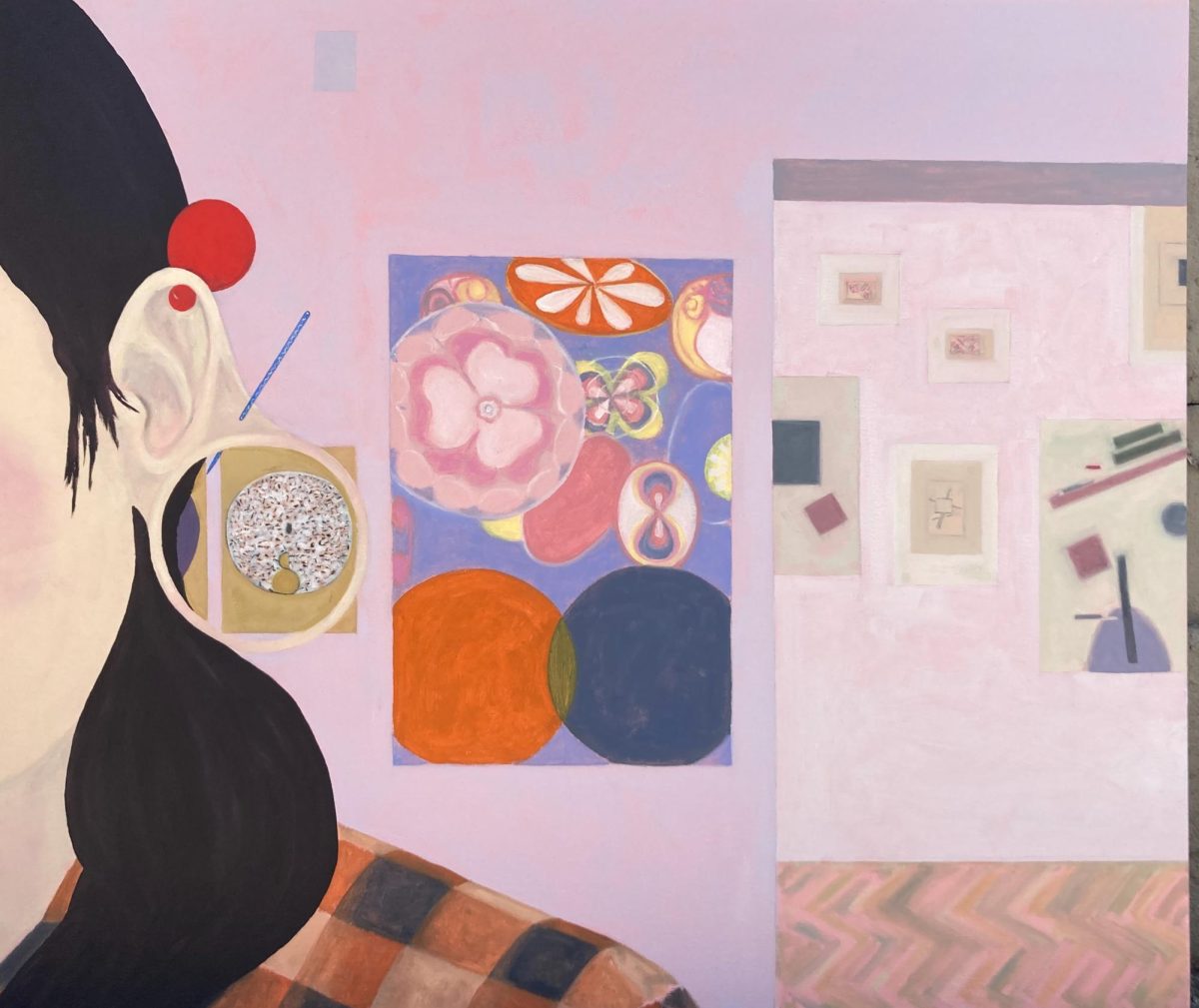
For high school painting teacher Elizabeth Tremante, grading art is more about growth than critique. For Tremante, experience does not equate to a grade. She believes that teachers shouldn’t grade on an artist’s skill, but on the technique and the growth they go through after being graded. Artists of all levels of experience have come into her classroom, and Tremante has found that it’s best to challenge everyone at their own skill-level. Her philosophy is that, if someone is a skilled artist, it doesn’t automatically mean they’ll get an A. One has to grow and work hard to become a better artist and get an A, no matter what level of experience they have.
“We have students come in with all levels of experience, so we challenge everyone at their level. I don’t expect everyone’s work to look the same,” Tremante said. “If you come into my class and you have a lot of experience, but you don’t grow, you’re not going to get an A. You need to grow from wherever you are. If you’re a student who comes in with no experience, then you grow a lot. You may still not have the same level of sophistication of work as someone who’s been taking our classes since they were in fourth grade, but you can still get an A.”
The idea of growth over perfection resonates with many students, including Tremaine. She has been painting, drawing and making ceramics for as long as she can remember, and for her, at times it’s difficult to have her art graded. Tremaine may have differences from her teacher about what is good in the art she has made, but as she’s grown as an artist, she has learned that hearing different perspectives is beneficial. Tremaine believes that the whole point of art classes is to push people out of their comfort zones so that there’s room for them to grow creatively as artists.
“The whole point [of art] is to bring you out of what you’re comfortable with,” Tremaine said. “But it can be hard as an artist to receive grades on work that you’ve worked hard on, or even sometimes you don’t think you work that hard, and then you have to hear teachers’ comments about it.”