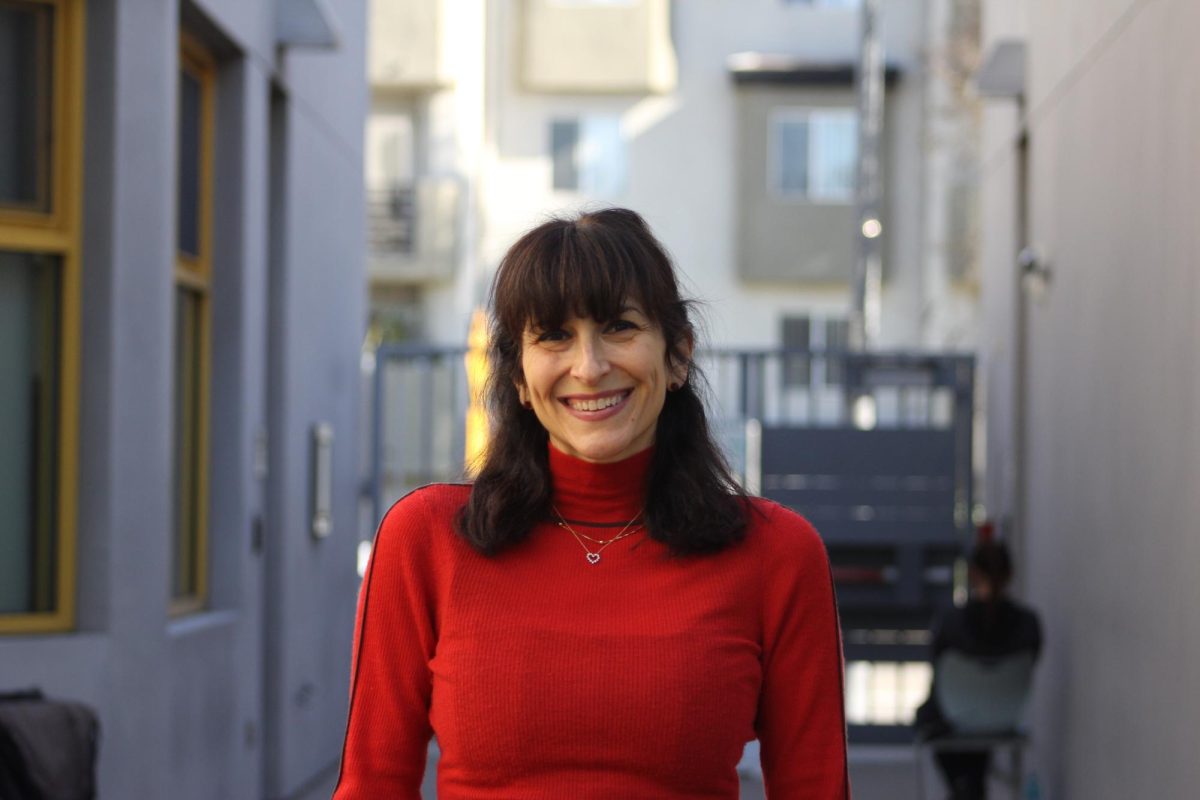


Under the red light of the dark room, Sara Guggenheim ‘26 stands anxiously next to her peers, developing the film photos she has long awaited. Having shot on broken light meters, the outcomes fall into beautiful uncertainty: a reminder of the imperfect yet rewarding nature that defines old-school art.
During a time dominated by digital tools and Artificial Intelligence (AI) generated art, some students are intentionally turning back to the intimacy of analog art to reconnect with the tactile process of creation.
Guggenheim first found her passion for analog art forms when she was accidentally enrolled in a photography class at school. Though initially frustrated by the error, she now understands this scheduling conflict to be a blessing in disguise as it has introduced her to the traditional mediums that continue to shape her artistic identity.
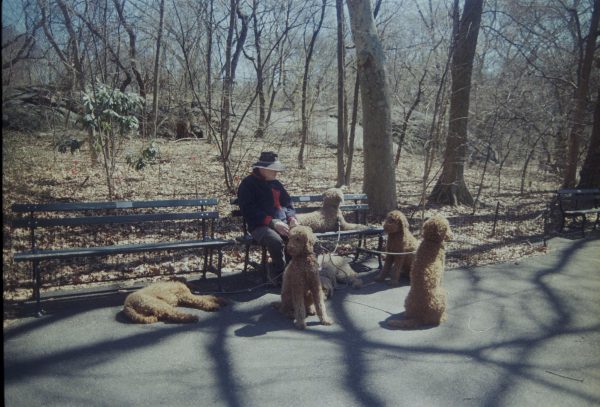 Guggenheim, now an award-winning film photographer and avid zine maker, feels an undeniable connection to analog art forms, recognizing the value of a thoughtful process. In both photography and zine making, Guggenheim appreciates the need to slow down, as she believes it enables her to be more intentional in her creative choices. For her, analog art forms invite viewers and creators to recognize the more physical, tangible experience of art itself.
“With film [and other analog media], there’s such a process to the work you do,” Guggenheim said. “It takes more time, but that gives you more opportunity to sit with the idea of the image. I’m focused more on the craft of [photography] instead of the outcome or how to take the coolest-looking photo. It’s so hit or miss because the outcome is dependent on so many different factors, but at the same time, it allows you to feel more accomplished when a photo does come out properly exposed or in focus and there’s more of a meaning behind [your work].”
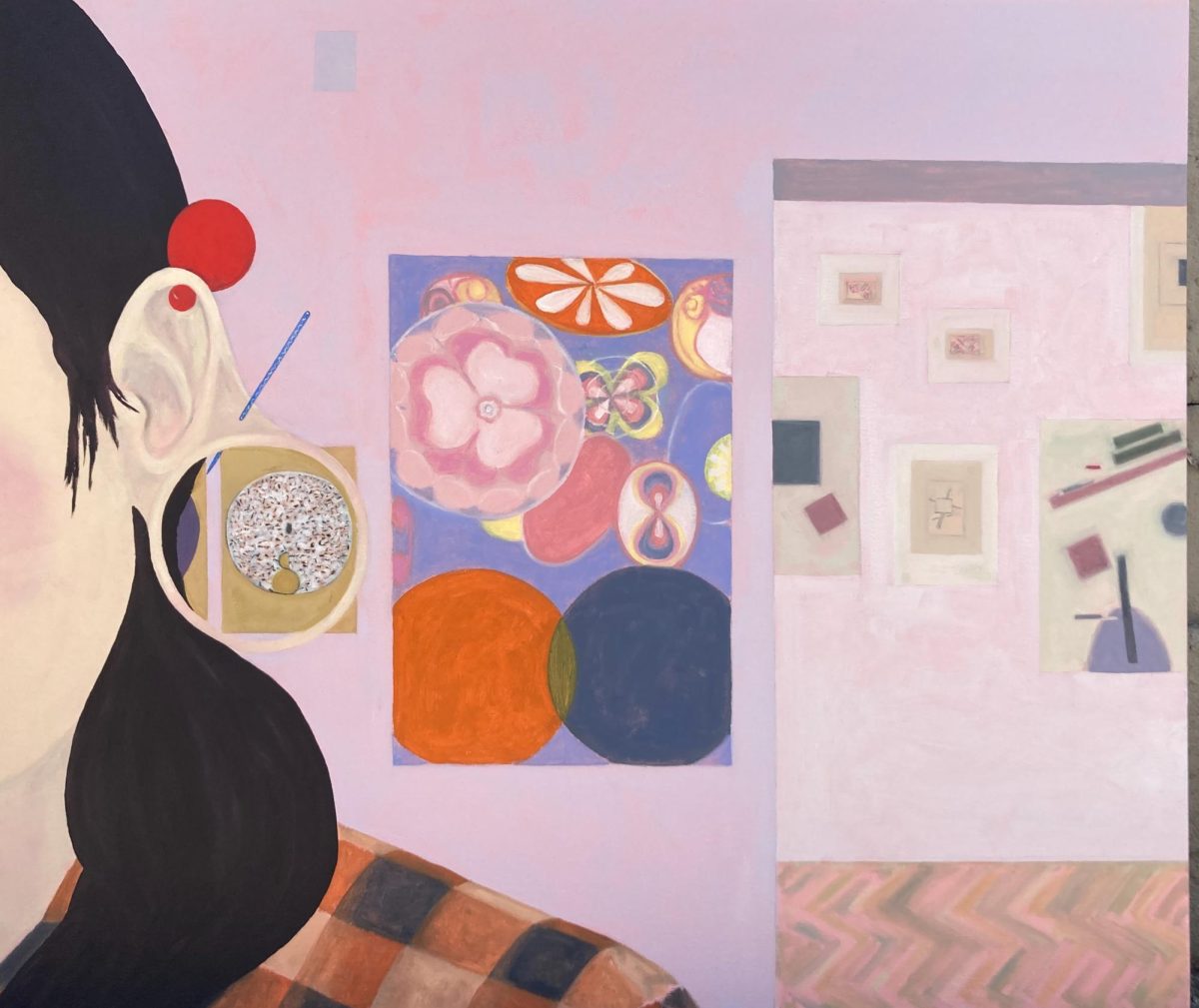
Similar to Guggenheim, other young artists recognize the value of slower paced art, and take the time to fully engage with each part of the process. Kaity-Rae Blank ‘26 has been taking art classes since elementary school and now focuses on traditional art, teaching these techniques at the same studio where she learned them. She believes it’s essential to continue preserving and teaching traditional art, especially in a digital age where AI generated art has become more prevalent. While she emphasizes the importance of traditional art, she does not de-value digital art, as she believes it is also a part of the creative process. She stresses the difference between digital and AI generated art, explaining that creativity means producing ideas rather than it being generated by a computer.
“[Physical art is] very different because there’s much more planning involved,” Blank said. “You can’t just go on Procreate and select all your colors in a matter of minutes. Sometimes, with painting, I’ll be working with color swatches and it’s just a lot more time, but I think that’s important right now, because I feel our life is so fast-paced with digital media and social media. So having the ability to just slow down and take a moment to put your time into something like that is really valuable.”
High school photography teacher Katie Kline has seen the rise of digital art through student use of Procreate; however, she tries to avoid this over-reliance on digital media in her analog-focused classroom. She recognizes that students who are accustomed to digital tools, where they can undo their work instead of problem-solving, have developed an expectation for perfection. She sees that as students are introduced to slower-paced art techniques, they tend to get frustrated and overwhelmed without any assistance by computers.
“I think it’s really good for your brain to have to problem solve with physical materials, because as soon as you start using the tool of the computer, the computer’s going to do part of that problem solving for you,” Kline said. “It is really important to exercise parts of your brain that don’t get exercised if you’re using the aid of a computer. You have to work through it, and things are going to look different than what you’re seeing on a computer when you’re doing it by hand.”
While Kline focuses on the benefits of problem-solving with physical materials, middle school and high school art teacher Donna Chung feels it’s equally crucial for students to engage their full physical presence in the art-making process. Though she acknowledges the younger generations’ inherent attachment to digital media, she also believes students need to detach from screens to cultivate a deeper sense of creativity.
“I think it’s very important that we have [traditional art classes] where students can get messy,” Chung said. “They’re introduced to the idea of, ‘I’m a physical body in physical space working with physical materials,’ and I think kids respond to that experience because it’s human, and art making is our culture and will continue to be. So for a student to experience the value of an authentic, analog practice is necessary to who they are as creatives.”
Kline has seen her students be genuinely creative and make their art more personal when they utilize physical materials. Recognizing that students’ authentic inspiration in the art world is affected by social media, she believes it’s important to distance oneself from online. Kline sees that through analog art, students engage in an open-minded process in which the art becomes about personal experience rather than expectation.
“I think part of it is being untethered to the computer, it’s really about you and the individual coming out through the materials,” Kline said. “I think it does create a more individualized experience. The reason why I think it’s really important to teach [film photography] is because you can’t review the image that you took right away. The more time that’s lapsed, the less judgmental you are of yourself and influenced by other people around you.”