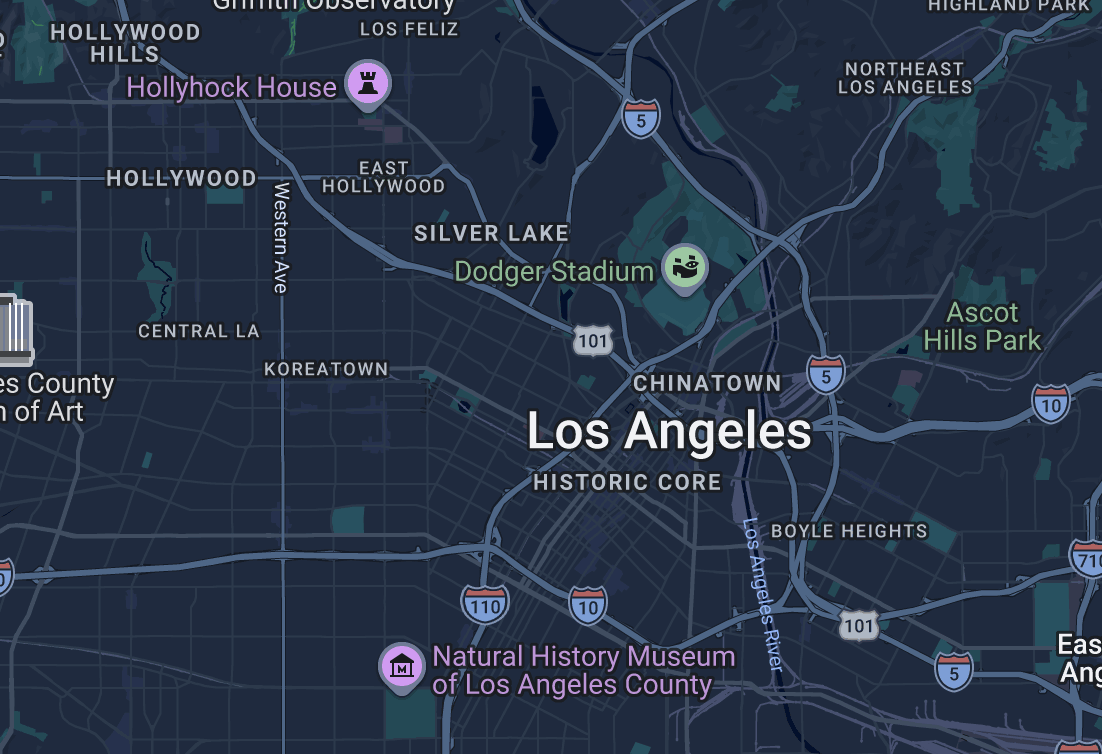
Californians face one of the most severe housing crises in the country, driven by high costs, low housing supply and exclusionary land use rules. In 2025, the state legislature passed major reforms including bills that expand housing density near transit and allow multiple homes on traditionally single family lots aimed at rewriting the rules of zoning and housing production.
Senate Bill 79 (SB 79), officially known as the Abundant and Affordable Homes Near Transit Act, was signed into law by Governor Gavin Newsom on Oct. 10, 2025. It takes effect on July 1, 2026 and fundamentally changes how zoning near transit is governed. SB 79 overrides local zoning rules to allow multi-story, higher-density housing within a half mile of major public transit stations, including rail and frequent bus services, even if cities previously zoned those areas for single-family homes only.
According to Jack Flemming and David Zahinser’s October 2025 Los Angeles Times article, SB 79 has drawn sharp criticism from residents in long established, primarily single family residential neighborhoods where zoning has limited growth and preserved low density housing in Los Angeles. Residents fear that upzoning could change neighborhood character, bring more construction and congestion or drive higher rents and displacement.
Author Josh Vredevoogd’s October 2025 Streets For All article, a publication by a transportation and housing advocacy organization that promotes walkable, transit oriented communities, suggests that the law could effectively zone nearly 1.5 million new homes in the Los Angeles area alone, potentially doubling the city’s housing stock, with hundreds of thousands of units being “unlocked” near transit.
While SB 79 focuses on larger, transit-oriented density, Senate Bill 9 (SB 9), which took effect on Jan. 1, 2022, tackles density at the scale of individual lots. The California Department of Housing and Community Development states that SB 9, also known as the California Housing Opportunity and More Efficiency (HOME) Act, allows property owners to build up to two units on a single-family residential lot and to split one lot into two.
SB 9 aims to address exclusionary single-family zoning, which has historically limited access to high opportunity neighborhoods that offer strong public schools, job access, transportation options and other economic and social resources for lower-income households and communities of color. By allowing lot splits and multiple units, the law is intended to benefit first-time buyers, multi-generational families and small-scale homeowners.
However, reporting by Christian Leonard’s February 2025 San Francisco Chronicle article indicates that major cities like San Francisco and Oakland have seen relatively few applications from the law’s intended users under SB 9. This low demographic participation refers to the limited involvement of lower income households and marginalized groups, who face barriers such as high construction costs, financing challenges and complex permitting process, while wealthier homeowners are better positioned to take advantage of the law.
Together, SB 79 and SB 9 work at different scales to increase housing supply. SB 79 promotes large scale, transit oriented apartment development, while SB 9 enables small scale density within existing neighborhoods. By operating simultaneously, the bills aim to both rapidly expand housing near transit and reform single family housing statewide.
SB 79 and SB 9 showcase California at the frontlines of housing policy reform. Lawmakers are increasingly willing to confront restrictive zoning laws and traditional neighborhood protections in pursuit of more housing. For residents and homeowners, these laws also promise greater housing supply and new opportunities, but also raise the question about neighborhood change, local control and equitable growth.
These policies are especially relevant because housing costs directly effect teachers, staff and families in the surrounding community, while long term housing availability will shape where students can afford to live after graduation. Understanding these reforms allows students to see how state policy directly affects their community in California.